Closing the Loop on Manufacturing: Driving Precision, Sustainability and Intelligent Tooling
PRASHANT SARDESHMUKH, MANAGING DIRECTOR MITSUBISHI MATERIALS INDIA PVT LTD ON ADVANCED TOOLING, AI, SUSTAINABLE MANUFACTURING AND BUILDING A RESILIENT, FUTURE-READY INDUSTRIAL ECOSYSTEM

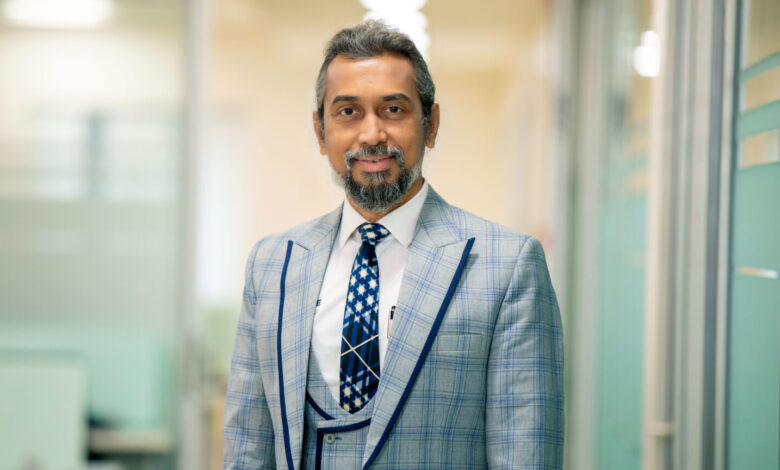
- India aspires to become a global manufacturing hub. What are the biggest opportunities and challenges for the Indian machine tool industry in achieving global competitiveness, and what changes are still required?
The Indian machine tool industry is experiencing strong growth, driven by emerging sectors such as EVs, aerospace, defence, semiconductors, and infrastructure. Rising demand for precision, productivity, and energy efficiency is accelerating the adoption of advanced technologies, including robotics, IoT connectivity, real-time monitoring, predictive maintenance, and AI-driven diagnostics.
Government initiatives across automotive, electronics, telecom, pharmaceuticals, MSMEs, and infrastructure are creating significant opportunities for growth. However, challenges such as high investment costs, import dependency, supply chain disruptions, and skill shortages remain. Addressing these issues through greater industry collaboration, indigenisation, joint R&D, shared testing facilities, and workforce upskilling will be crucial to strengthening competitiveness and positioning India as a global manufacturing hub.
- Innovation today extends beyond products. How is your organisation driving innovation across manufacturing processes, customer experience, sustainability, workforce development or digital transformation?
Our innovation strategy is built on sustainability, digitalisation, and collaboration. Through initiatives such as carbide and tungsten recycling, circular use of rare metals, and our Global Craftsman Studio model, we co-develop localized solutions for high-precision industries. Leveraging data-driven technologies, integrated R&D, and sustainable supply chains, we are introducing next-generation tooling solutions, including AI-powered tool selection, advanced PVD coatings, and application-specific cutting tools. These efforts enhance productivity, efficiency, and sustainability while delivering greater value to our customers.
- Manufacturing success increasingly depends on collaboration across OEMs, suppliers, technology providers, academia and startups. How do you see partnerships shaping the future of manufacturing, and what role does your organisation play in this ecosystem?
We are strengthening collaboration across our business ecosystem through strategic partnerships with OEMs, suppliers, technology providers, startups, and academia. These collaborations help us enhance supply chain resilience, advance sustainability through carbide and tungsten recycling, and secure critical raw materials. Through our state-of-the-art MTEC facility in Pune, we support skill development, machining research, and Industry 4.0 readiness. As a value-chain integrator, we are building a sustainable, closed-loop ecosystem spanning material sourcing, tool design, manufacturing, reconditioning, and recycling, delivering greater efficiency, innovation, and long-term value.
- Looking ahead to 2030, what will define a successful machine tool company? Which capabilities, technologies or leadership qualities will differentiate the industry’s future leaders?
The future of the machine tool industry will be shaped by sustainability, AI integration, and autonomous connectivity. Smart CNC systems with self-diagnostics, predictive maintenance, automated tool wear monitoring, and real-time process optimisation will drive higher productivity, precision, and efficiency.
A digital-first approach, combined with energy-efficient technologies and sustainable manufacturing practices, will be key differentiators for industry leaders. Success will also depend on strong ecosystem partnerships and continuous workforce upskilling to harness the full potential of AI, smart manufacturing, and Industry 4.0, creating agile, resilient, and future-ready organisations.
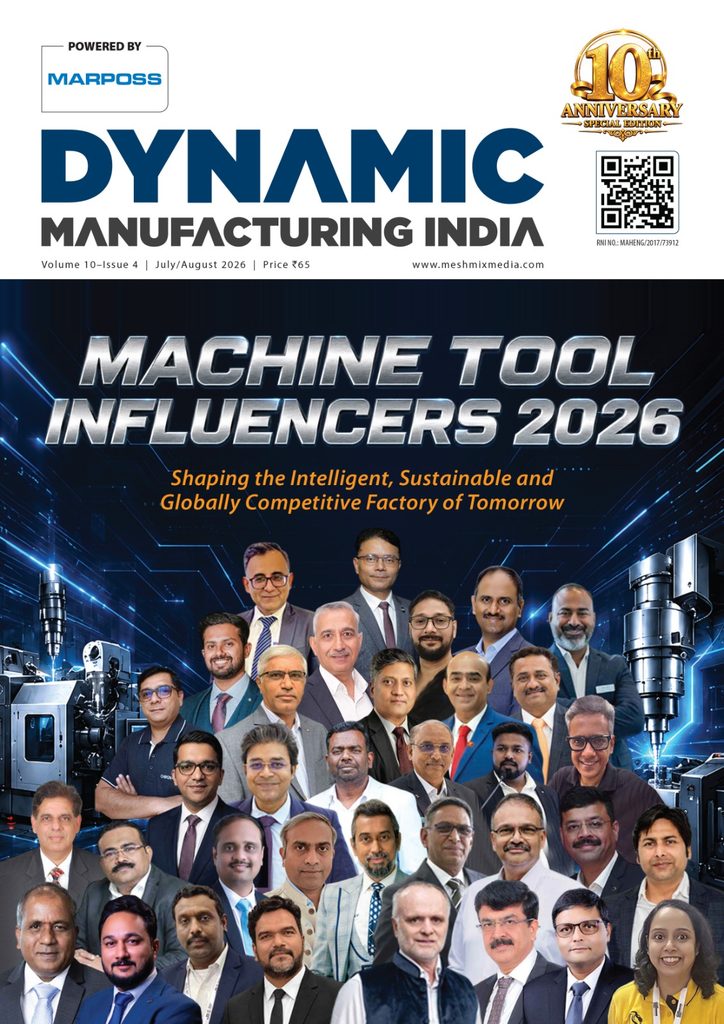
- As one of the Machine Tool Influencers 2026, what message would you like to share with the next generation of manufacturing professionals and entrepreneurs who will shape India’s industrial future?
The next generation of manufacturing professionals will succeed by combining strong technological expertise with operational excellence and digital literacy. Their ability to embrace innovation, integrate advanced technologies, uphold uncompromising quality standards, and drive precision in process design will shape the future of industry.
Success will also depend on building innovative products, strengthening local supply chains, and advancing sustainable manufacturing practices. Equally important are qualities such as resilience, leadership, business acumen, and a willingness to take calculated risks. By continuously adapting to emerging technologies and market dynamics, future professionals will be well positioned to lead on a global stage.
Do Visit – https://www.mmc-carbide.com/in