100 Years of WIDIA: Leveraging a Century of Innovation to Drive India’s Manufacturing Transformation
Vijaykrishnan Venkatesan, Managing Director, Kennametal India Limited, on WIDIA’s 100-year legacy, advanced metal-cutting technologies, sustainable manufacturing and driving India’s manufacturing transformation.

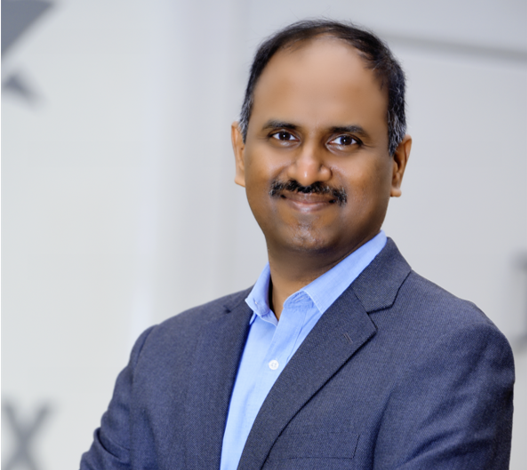
As WIDIA marks its centenary year, the brand continues to combine a century of metal-cutting expertise with next-generation manufacturing technologies. In this interview, Vijaykrishnan Venkatesan, Managing Director – Kennametal India Limited, discusses WIDIA’s journey and the opportunities shaping the future of manufacturing.
.WIDIA is celebrating 100 years globally this year. Take us through the brand’s journey and its evolution in India.
Celebrating 100 years of WIDIA is a proud milestone because it reflects a century of innovation that has helped shape modern manufacturing. Since pioneering cemented carbide technology in 1926, WIDIA has built a reputation for engineering excellence, reliability, and productivity. The brand has continuously reinvented itself to meet the changing needs of industry, from traditional machining applications to today’s highly advanced manufacturing environments.
India has been an integral part of that journey for more than six decades. WIDIA India was incorporated in 1964, marking the beginning of a long and successful association with Indian manufacturing. Shortly thereafter, in 1966, WIDIA commenced operations in India from its facility on Tumkur Road in Bengaluru, then a largely undeveloped area, with around 30 employees and a single shaping plant. What began as a modest operation has evolved alongside India’s industrial growth story.
Over the decades, WIDIA established itself as a trusted partner to Indian manufacturers, supporting the country’s progress across sectors such as automotive, transportation, general engineering, energy, aerospace, and heavy industry. As manufacturing requirements became more sophisticated, WIDIA continued to introduce advanced tooling technologies, helping customers improve productivity, quality, and competitiveness.
A significant milestone in the brand’s evolution came in 2002, when Kennametal acquired WIDIA, bringing together two highly respected names in the metalworking industry. This combination strengthened WIDIA’s ability to leverage global expertise in materials science, engineering, application development, and innovation, while preserving the strong brand identity and customer trust that WIDIA had built over generations.
- How is WIDIA balancing a 100-year legacy with the demands of modern manufacturing?
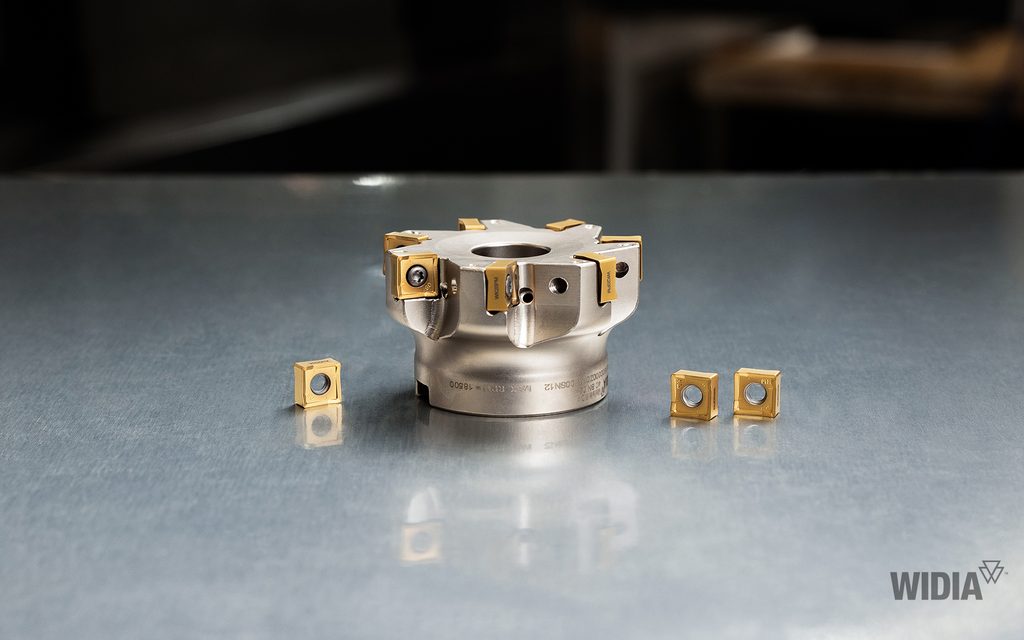
While our heritage is rooted in materials science and cutting-tool innovation, today’s customers expect much more than a high-performance tool. They are looking for process reliability, digital insights, shorter development cycles, and measurable productivity gains.
A legacy only matters if it remains relevant. For WIDIA, the last hundred years have been built on continuous reinvention.
That is why we are increasingly combining our machining expertise with technologies such as simulation, digital process optimization, and connected manufacturing solutions – these can help customers simulate a machining process before it reaches the shop floor, identify potential bottlenecks and optimize parameters before valuable production time is consumed. The objective is not simply to adopt new technologies, but to help customers make better decisions, reduce inefficiencies, and improve competitiveness.
The manufacturing challenges may have changed dramatically over the last century, but the philosophy remains the same: innovation must deliver practical value on the shop floor.
- What key machining trends are shaping demand for tooling solutions today?
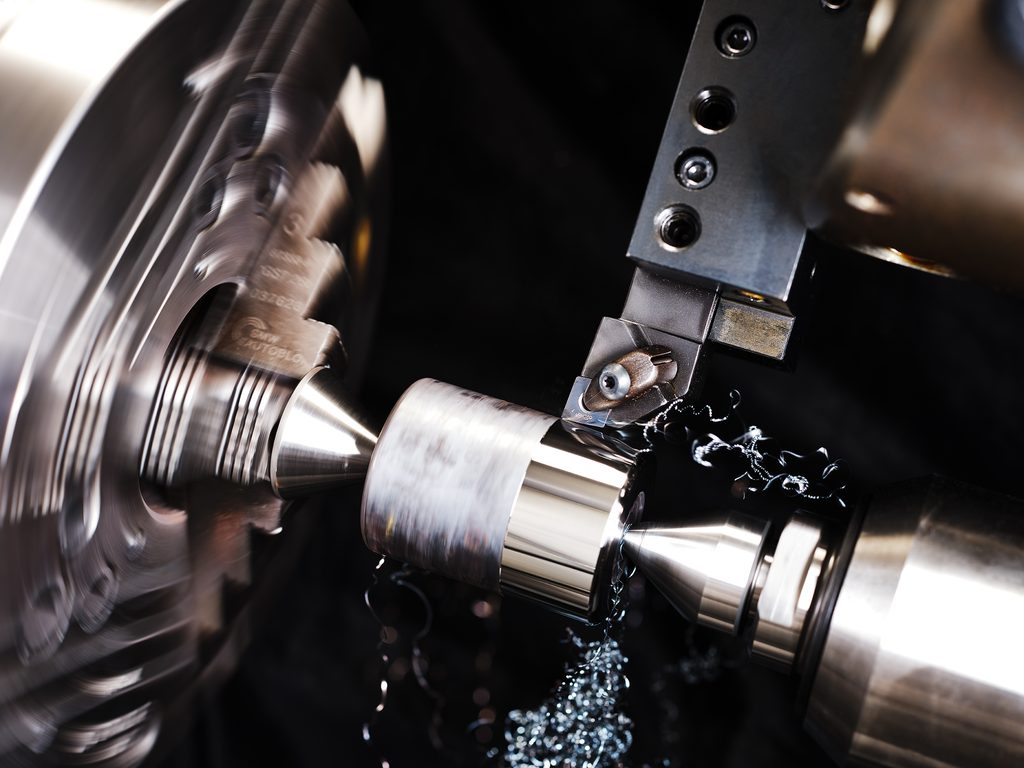
One of the biggest trends is the growing use of advanced and difficult-to-machine materials across sectors such as electric mobility, aerospace and defense, energy, medical, and electronics.
Manufacturers are working with lighter alloys, hardened steels, titanium, nickel-based materials and carbon fiber reinforced polymers (CFRP) to meet new performance requirements. While these materials offer significant benefits, they also create machining challenges related to heat, wear, stability, and consistency.
This is where tooling technology becomes increasingly important. Customers are looking for solutions that can improve tool life, reduce cycle times, and maintain process reliability under demanding conditions.
WIDIA’s ongoing focus is on developing tooling platforms, carbide grades, coatings, and geometries that help customers address these challenges while improving overall productivity. Ultimately, success is measured not by the tool itself but by the value it creates in production.
- In an increasingly competitive market, what differentiates WIDIA?
Technology is important, but I believe application expertise is the real differentiator.
Customers today are under constant pressure to improve productivity, reduce costs, and achieve consistent quality. Meeting those objectives requires more than supplying a product. It requires understanding the customer’s process and working collaboratively to optimize it.
WIDIA’s strength lies in combining proven tooling technology with deep application knowledge. Our teams work closely with customers to solve machining challenges, improve process efficiency, and unlock measurable productivity gains.
That consultative approach is something customers increasingly value because the impact extends well beyond tooling performance and directly influences operational outcomes.
- Sustainability is increasingly influencing manufacturing decisions. How do you view this opportunity?
I see sustainability and productivity as complementary objectives rather than competing priorities.
Kennametal India Limited, being a publicly listed company, embeds sustainability at the core of its operations and fully adheres to all Business Responsibility and Sustainability Reporting (BRSR) directives. ESG principles are not treated as standalone initiatives—they are fundamental to how we operate and how we create long term value for customers, shareholders, and society.
At our Bengaluru facility, we continue to increase the use of renewable energy sources as part of our broader sustainability strategy, helping reduce our environmental footprint.
In alignment with our ESG commitments, we focus on responsible waste management by reducing waste generation and increasing waste recycling across our operations. Water stewardship is equally important: we treat and recycle water within our operations to improve resource efficiency and circular utilization.
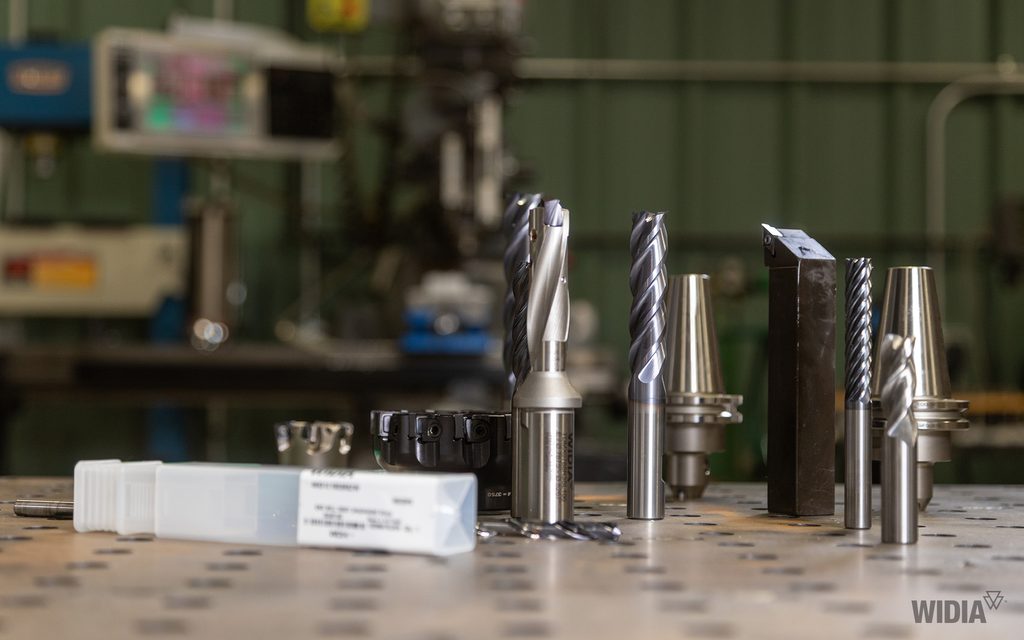
Circularity is a key pillar of our sustainability strategy. Tungsten carbide, the core material in our cutting tools, is highly recyclable. We operate a closed loop program supported by a robust reverse logistics system, enabling the collection of used tools and process waste for reclamation. Every kilogram of carbide reclaimed helps reduce the demand for newly mined raw materials while supporting resource efficiency and supply chain resilience.
- As WIDIA enters its second century, what is your vision for the brand in India?
Our vision is to make WIDIA the preferred productivity partner for India’s manufacturing industry.
The opportunity ahead is significant. India is investing heavily in becoming a global manufacturing powerhouse, and we want to support that journey through innovation, application expertise, and customer-centric solutions.
As we look to the future, our focus will remain on helping customers machine more efficiently, adopt new technologies with confidence, and stay competitive in an increasingly demanding environment.
Do Visit – https://www.kennametal.com/in/en/about-us/kennametal-india-story.html